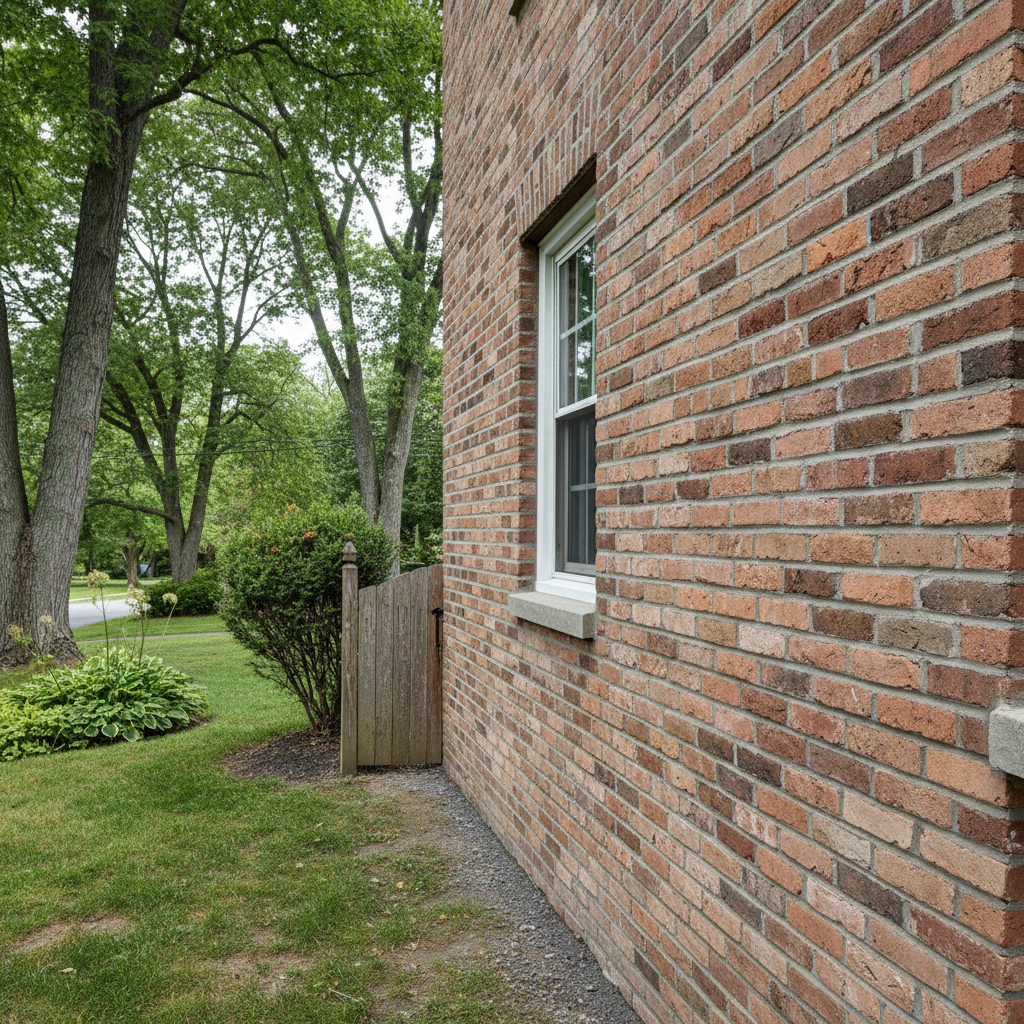
You've got an older brick home here in Newton, maybe in Newton Centre or down by Crystal Lake, and you're starting to notice the mortar joints are looking a little rough. Cracks, crumbling, maybe some missing bits. That's where tuckpointing comes in. It's a crucial maintenance job that protects your home, keeps it looking good, and prevents bigger, more expensive problems down the line. But I've seen a lot of homeowners make some pretty common mistakes when they're planning or hiring for this kind of work. Let's talk about what to avoid.
Mistake #1: Not Understanding What Tuckpointing Actually Is
This might sound basic, but it's a big one. Some folks think tuckpointing is just slapping new mortar over the old stuff. That's called repointing, and it's a different beast, often done incorrectly. True tuckpointing involves carefully removing the deteriorated mortar to a consistent depth – usually about half an inch or until you hit sound material – then filling those joints with new, properly mixed mortar. After that, a thin, contrasting line of lime putty is applied. This creates a really crisp, clean look and helps protect the joints. If a contractor just wants to smear new mortar on top, that's a huge red flag. You're not getting the structural integrity or the aesthetic benefit you need.
Mistake #2: Hiring the Cheapest Bid Without Asking Questions
Look, I get it. Everyone wants to save a buck. But with masonry, especially tuckpointing, the cheapest bid is almost always a trap. You're not just paying for labor; you're paying for expertise, proper materials, and the right tools. A low bid often means corners are being cut. Maybe they're not removing enough old mortar, using cheap, incompatible mortar mixes, or rushing the job. Improperly mixed mortar can actually accelerate deterioration in our New England climate, especially with our freeze-thaw cycles. Ask every contractor for their process. How deep will they grind? What kind of mortar mix do they use? Do they match the original color and texture? If they can't answer these questions clearly, move on.
Mistake #3: Ignoring Mortar Matching and Compatibility
This is probably the biggest mistake I see, and it's a critical one for older homes. The original mortar in many Newton homes, especially those built before the 1930s, was often a softer, lime-based mix. Modern Portland cement mortars are much harder. If you put a hard, modern mortar into joints designed for soft, historic mortar, you're asking for trouble. The harder mortar won't flex with the brick, and eventually, the brick itself will start to spall and crack. You'll end up damaging the very bricks you're trying to protect. A good masonry contractor, like us at Ace Masonry Co., will always test your existing mortar to ensure the new mix is compatible. They'll also work to match the color and texture so your repair blends seamlessly with the rest of your home.
Mistake #4: Not Checking References or Seeing Past Work
It's easy to get swayed by a smooth talker or a fancy website. But with something as permanent as masonry work, you need proof. Always ask for references and, if possible, go see some of their previous tuckpointing projects. Look at the consistency of the joints, the cleanliness of the work, and how well the new mortar blends. Are there smears on the brick? Is the grinding depth uneven? A reputable contractor will be proud to show off their work. If they hesitate or can't provide examples, that's a major warning sign.
Mistake #5: Not Getting Everything in Writing
A verbal agreement is worth the paper it's written on – which is to say, nothing. Get a detailed contract. It should specify the scope of work, including the depth of mortar removal, the type of mortar mix, the color matching process, and the clean-up procedure. It should also include a timeline, payment schedule, and warranty information. This protects both you and the contractor and ensures everyone is on the same page. Don't assume anything. If it's not in the contract, it might not happen.
Mistake #6: Delaying the Project Too Long
I know, it's easy to put off home repairs. But with tuckpointing, delaying can turn a manageable project into a much bigger, more expensive one. Crumbling mortar isn't just an aesthetic issue; it's an open invitation for water to get into your walls. Once water gets in, especially with our wet springs and snowy winters, it can freeze, expand, and cause significant damage to your bricks, leading to spalling, efflorescence, and even structural issues. Catching it early saves you a lot of headache and money in the long run. Don't wait until you've got water stains on your interior walls to call someone.
Tuckpointing is an investment in your home's longevity and curb appeal. By avoiding these common mistakes, you'll ensure you get a quality job that lasts for decades and truly protects your Newton property.