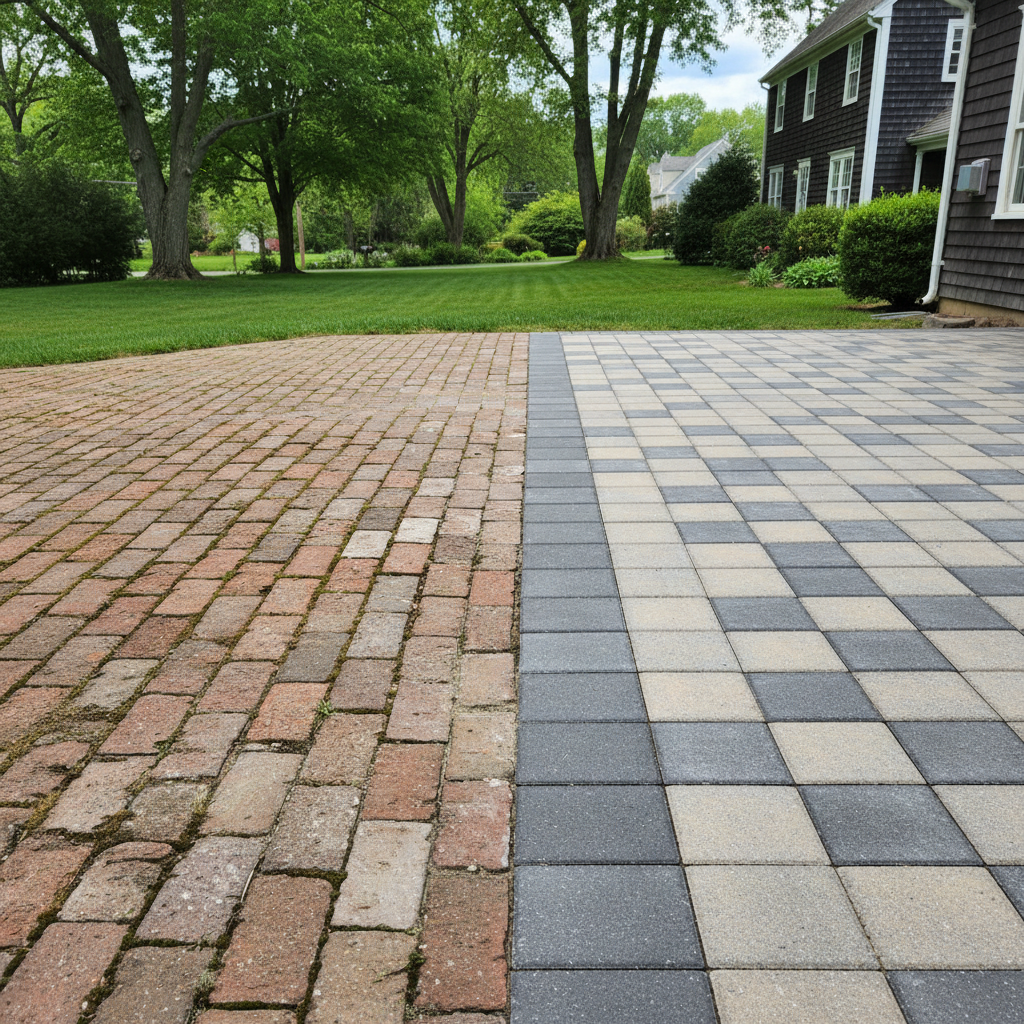
Pavers: Rigid Base vs. Flexible Base in Newton, MA
So, you're thinking about putting in some pavers, right? Maybe a new patio, a walkway, or even a driveway. That's a great idea. Pavers look fantastic and can really boost your home's curb appeal. But before you get lost in picking out colors and patterns, there's something super important you need to understand: how they'll actually be installed. We're talking specifically about the base underneath those pavers. You've got two main choices: a rigid base or a flexible one. And believe me, for a place like Newton, MA, this decision makes a huge difference.
I've seen plenty of paver jobs over the years, some great, some not so much. The big difference almost always comes down to what's happening beneath the surface. Let's break down what each option means for your wallet, how long it'll last, what kind of upkeep you're looking at, and how it'll hold up visually.
Flexible Base Pavers: The Common Approach
This is probably what most folks imagine when they think about paver installation. It starts with digging out the area, then laying down a compacted gravel sub-base, followed by a layer of bedding sand, and finally, your pavers. Jointing sand then gets swept into the gaps to lock everything together.
Cost
Generally, a flexible base installation costs less upfront. You're using less concrete, fewer specialized tools, and the whole process is quicker. For a typical patio or walkway, you'll definitely see a noticeable difference in the initial price tag.
Durability
Now, here's where things get interesting, especially around our neck of the woods. Flexible bases are designed to shift a bit with the freeze-thaw cycles we get in Massachusetts. That sounds good, doesn't it? Well, yes, up to a point. The problem is, if the base isn't prepared absolutely perfectly — and I mean *perfectly* — or if you have poor drainage, that movement can lead to settling, shifting, and uneven pavers over time. Water can sneak into the sand layer, and when it freezes, it expands, pushing things all over the place. I've seen plenty of flexible paver patios in Newton Centre that look amazing for five years, then start showing dips and wobbles because of this very issue.
Maintenance
Taking care of flexible base pavers usually means occasional sweeping and re-sanding the joints. Weeds love to sprout through that sand, so you might need to pull them or use a weed killer. If pavers start to shift, you might be able to lift and re-level them, but it can be a real headache.
Appearance
When it's done right, flexible base pavers look fantastic. They offer a classic, natural aesthetic. The real challenge is keeping that look over the long haul. If they start to shift or settle, it quickly detracts from the overall appearance, doesn't it?
Rigid Base Pavers: The Robust Solution
A rigid base installation is a completely different animal. After digging out the area, you'll still get a compacted gravel sub-base, just like with the flexible option. But then, instead of just sand, a concrete slab is poured over the gravel. Your pavers are then set directly onto this concrete slab using a mortar bed, or sometimes a thin-set adhesive. The joints are typically filled with polymeric sand or even mortar.
Cost
There's no getting around it: a rigid base costs more upfront. You're paying for concrete, more labor, and the materials involved in setting the pavers with mortar. It's a bigger initial investment, for sure.
Durability
This is where rigid bases truly shine, especially for our climate. That concrete slab provides a stable, unyielding foundation. It drastically minimizes movement from freeze-thaw cycles. When I'm talking about a driveway or a high-traffic area, or if you've got a spot with tricky drainage, a rigid base is usually what Ace Masonry Co. recommends. It's built to last, resisting settling and shifting much better than a flexible base ever could.
Maintenance
Maintenance is generally lower with a rigid base. Since the pavers are mortared down, you won't have issues with individual pavers shifting or weeds growing through the joints if you use mortar or a good polymeric sand. You'll still need to clean them, of course, but the structural integrity is much less of a worry.
Appearance
The initial appearance is very similar to flexible base pavers. The big difference is that a rigid base is far more likely to keep that pristine, level look for decades. You won't see the dips and humps that can plague flexible installations over time, especially after a few harsh winters.
My Recommendation for Newton Homeowners
Look, I'm a big believer in doing things right the first time. For most applications in Newton, especially for patios, walkways, and definitely driveways, I strongly recommend a rigid base installation. Yes, it costs more upfront. I totally get that. But when you factor in how long it will last, the reduced maintenance, and the peace of mind knowing your pavers aren't going to turn into a wavy mess after a few years of New England weather, it's worth every single penny.
We deal with heavy snow, ice, and those dramatic temperature swings here. A rigid base provides the stability needed to withstand those conditions year after year. You're investing in your home, and a solid, long-lasting paver installation adds real value and enjoyment without the headaches of constant repairs.
Final Thoughts
Don't cut corners on the base. It's the foundation of your entire paver project, after all. If you're looking for a beautiful, durable paver installation that will truly stand the test of time in Newton, a rigid base is the way to go. Give us a call at Ace Masonry Co., and we can chat about your specific project and figure out what makes the most sense for your property.