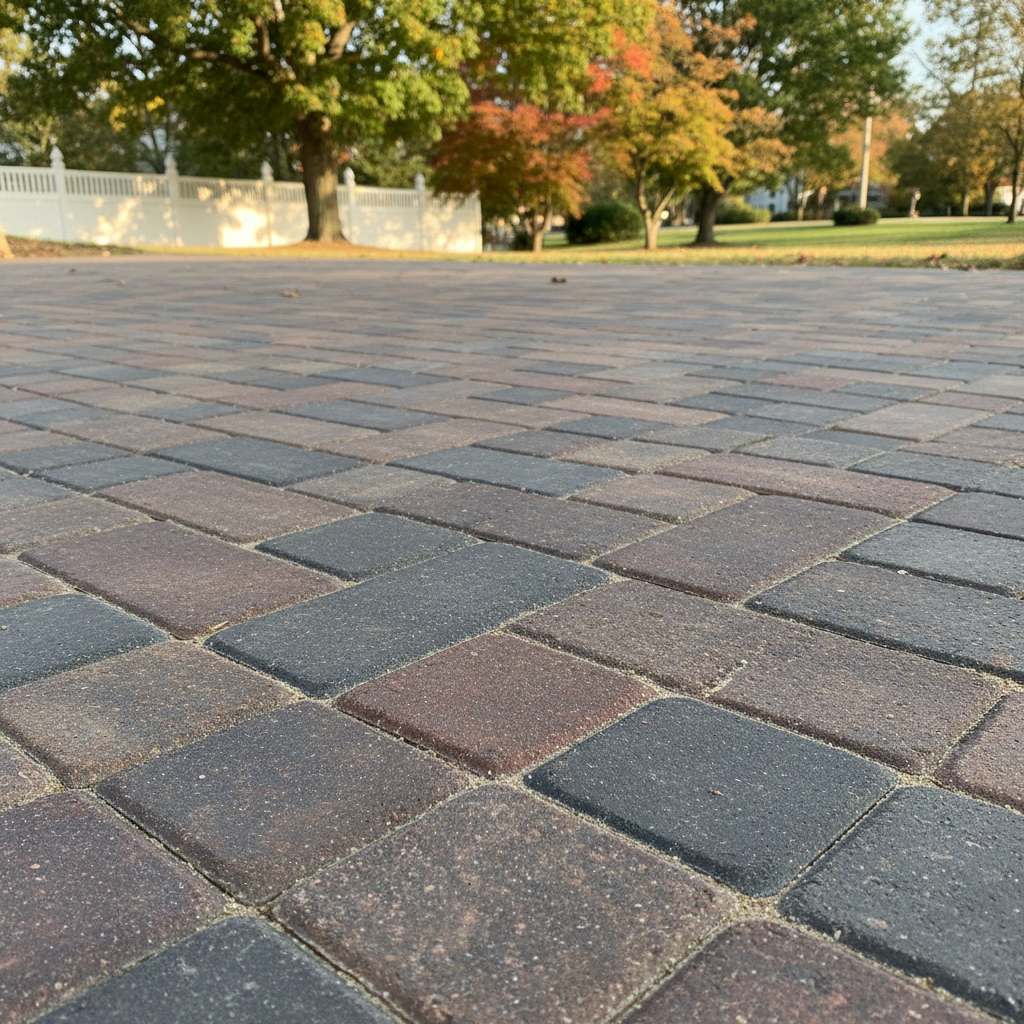
Alright, let's talk pavers. I get a lot of calls from folks right here in Newton, asking all sorts of questions about putting in a new patio, walkway, or even a driveway with these things. It's a big investment, after all, and you really want to get it right. So, I've pulled together the most common questions people ask me, and I'm just going to lay out the honest truth about them.
How long does a good paver installation actually last?
This is probably the number one question I hear, and it's a fair one. A properly installed paver system, done by someone who truly knows their stuff, should easily last 25 to 50 years. Maybe even longer, who knows? I've definitely seen some older installations in Newton Centre that still look pretty good after decades. The key, though, is that "properly installed" part. It's not just about tossing some stones on dirt. You need a solid, compacted base — usually crushed stone — with really good drainage. The edges need to be held in place correctly so things don't shift around. If you cut corners on the base or the edge restraint, you'll start seeing problems in just a few years, guaranteed. We're talking uneven spots, shifting, weeds popping up everywhere. It's like building a house on a shaky foundation; it just won't hold up.
What's the deal with weeds and moss? Can I really stop them?
Okay, let's be real: you're probably never going to completely stop every single weed or bit of moss, especially with our wet springs and humid summers here in Massachusetts. But you can drastically reduce them. The biggest culprit is usually sand in the joints. If you use regular sand, it's a perfect little bed for seeds to sprout. That's why we always recommend polymeric sand. It's got binders that harden when wet, locking the pavers together and making it much harder for weeds to get a foothold. You still might get a few airborne seeds landing and sprouting on top of the sand, but they're usually easy to pull. Moss is often a sign of too much shade and moisture. Trimming back overhanging branches can help, and a good cleaning with a pressure washer and a specific moss killer once a year can keep it in check.
Do pavers really need to be sealed? What's the benefit?
Sealing isn't always absolutely necessary, but it's definitely beneficial, especially for certain types of pavers or if you want to protect your investment. Think of it like waxing your car or sealing your deck. A good quality sealer will protect the pavers from staining — oil drips from a car, spilled wine on a patio, leaf tannins. It also enhances the color, making them look richer, and can even help stabilize the joint sand, further deterring weeds. For driveways, I almost always recommend sealing. For a patio, it's more of a personal preference, but it makes cleaning a lot easier. Just make sure you're using the right type of sealer for your specific paver material, and reapply it every few years, depending on the product and how much traffic it gets.
How much maintenance do pavers actually require?
Compared to a wood deck that needs staining every couple of years or a concrete slab that can crack and spall, pavers are pretty low maintenance. But "low" doesn't mean "none." You'll want to sweep them regularly to keep debris out of the joints. If you used polymeric sand, you might need to top it up in a few spots every 3-5 years. A good pressure washing once a year or every other year will keep them looking fresh and remove any surface grime or moss. If you've got a lot of trees around, especially those messy oak trees common in Newton Highlands, you'll want to clear leaves regularly to prevent staining. That's about it, really. It's mostly preventative stuff to keep them looking their best.
Can pavers be installed over an existing concrete patio or driveway?
Sometimes, yes, but it's not always the best solution, and it depends entirely on the condition of the existing concrete. If your concrete is in good shape — no major cracks, no significant settling — then we can often lay a thin layer of bedding sand and then the pavers directly on top. This can save on excavation costs, which is nice. However, if the concrete is cracked, severely uneven, or has drainage issues, then laying pavers over it is just asking for trouble. Those problems will eventually transfer right through to your pavers. You're better off removing the old concrete and starting fresh with a proper paver base. It's more work upfront, sure, but it'll save you headaches and money down the road. You don't want to build a beautiful new surface on a failing one, do you?
What's the typical timeline for a paver project?
This varies a lot based on the job's size and complexity. A small walkway might take Ace Masonry Co. a couple of days. A decent-sized patio, say 300-400 square feet, could be a week to ten days, including excavation, base prep, laying, and finishing. A large driveway or a complex design with multiple levels and retaining walls? That could easily stretch to two or three weeks. Weather plays a huge role too. We can't install pavers in heavy rain or when the ground is frozen solid. So, if we get a string of rainy days in the spring, that can push things back. When I give you an estimate, I'll also give you a realistic timeline, and we'll keep you updated if anything changes.
Look, good paver work isn't cheap, but it's an investment that adds real value and curb appeal to your home. Doing it right the first time means you won't be calling me back in five years to fix a shoddy job. If you've got more questions, don't hesitate to reach out. That's what I'm here for.