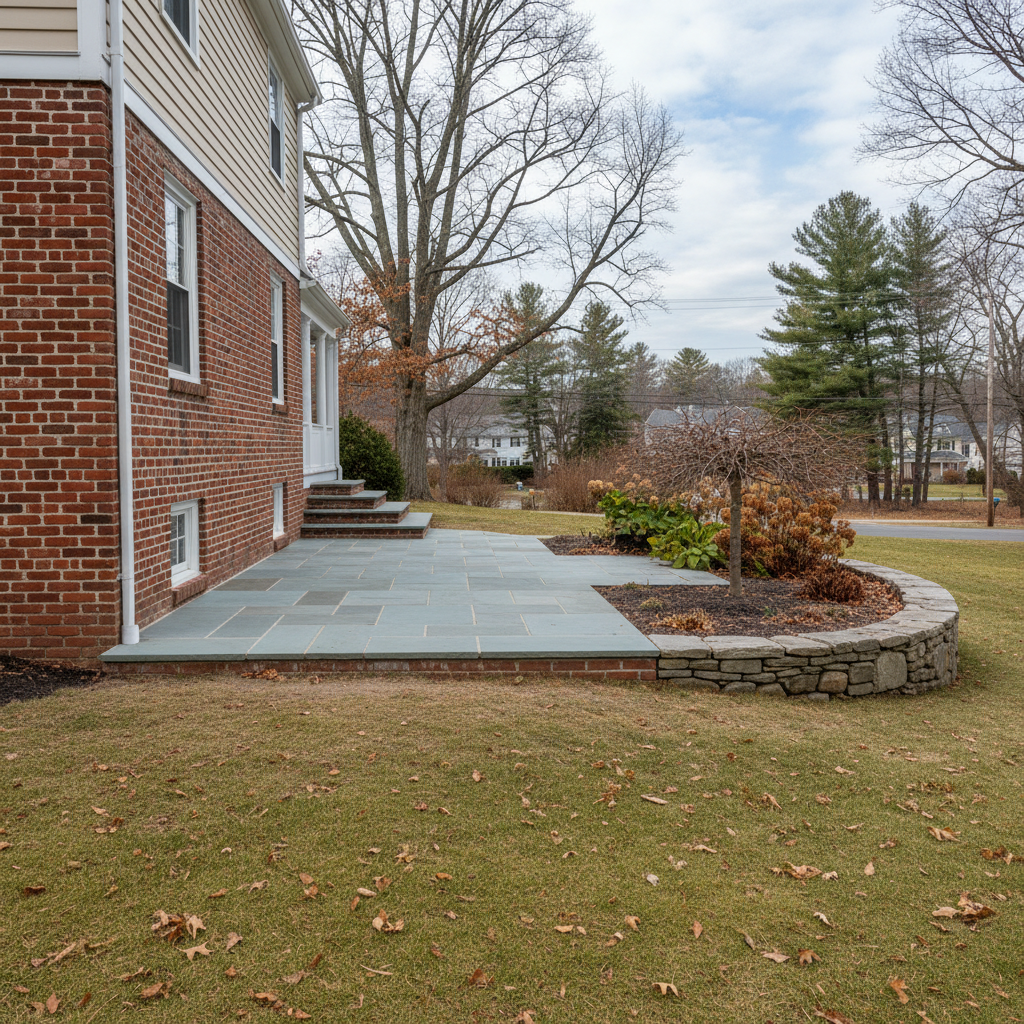
When's the best time to fix that masonry? That's a question I hear all the time, especially here in Newton, where we really do get all four seasons. You might think, "Oh, I'll just get it done whenever," but honestly, the weather plays a huge role in how well masonry work turns out and how long it lasts. Getting the timing right can save you a ton of headaches and money down the road, you know?
The Best Time for Masonry Work
Honestly, the sweet spot for most masonry jobs around here is spring and fall. Why? Because you're looking for moderate temperatures, ideally somewhere between 40 and 80 degrees Fahrenheit. When it's too cold, mortar doesn't cure right. It can freeze before it even sets, which means it won't be as strong, and you'll be looking at repairs again way sooner than you'd like. On the flip side, when it's too hot — especially with that intense summer sun we get — the mortar can dry out too fast. This also weakens it and can lead to cracking. It's a delicate balance, which is exactly why those shoulder seasons are perfect.
Spring, once we're past the threat of hard freezes, is fantastic. The ground isn't frozen solid anymore, and we usually get some good, consistent temperatures. Fall, before the deep cold really settles in, is another prime window. We can get a lot done then, and the masonry has plenty of time to cure properly before winter's freeze-thaw cycles really kick into high gear.
Weather Conditions That Affect the Job
Beyond just temperature, there are a few other weather factors we always keep a close eye on:
- Rain: You simply can't lay masonry in a downpour. Mortar needs to be mixed with a precise amount of water, and too much rain can wash out the cement, dilute the mix, and weaken the bond. Plus, working on wet surfaces is just plain dangerous. We'll usually cover up any fresh work if rain is expected, but active work stops.
- Wind: Strong winds can dry out mortar too quickly, just like hot sun. They can also blow dust and debris into fresh work, which isn't ideal. Sometimes, we'll put up windbreaks if we're working on an exposed area.
- Humidity: Believe it or not, humidity matters. Very low humidity can cause mortar to dry too fast, while extremely high humidity can slow down the curing process. We're always adjusting our mixes and techniques based on the day's conditions.
- Freezing Temps: This is the big one for us in New England. Mortar needs to stay above freezing for at least 72 hours after it's laid to cure correctly. If we're working late in the fall, we might use special cold-weather admixtures, or even tent and heat an area, but it's always better to avoid those conditions if we can.
That's why when you call Ace Masonry Co. for a quote, we're not just looking at the damage; we're thinking about the calendar and the forecast too. We want to do the job right the first time, and that means respecting what Mother Nature throws our way.
Protecting Your Masonry Investment Year-Round
Okay, so you've had your masonry repaired or installed. Now what? Protecting that investment is key, especially with our Newton weather, from the heavy snows to the humid summers. Here's what you can do:
- Keep an Eye on Drainage: This is huge. Water is masonry's biggest enemy. Make sure your gutters are clean and diverting water away from your foundation. Check that your downspouts aren't dumping water right next to your chimney or patio. If water pools around your foundation, it can lead to hydrostatic pressure and eventually crack walls. I've seen plenty of homes in the Highlands with beautiful, older stone foundations that start to show wear because of poor drainage over decades.
- Regular Inspections: Take a walk around your house a couple of times a year, maybe in spring and fall. Look for small cracks, crumbling mortar, or loose bricks. Catching these issues early, when they're small, is always cheaper and easier than waiting until they're major problems. Pay special attention to chimneys, steps, and retaining walls.
- Clean, Don't Scrub: If you need to clean masonry, use a soft brush and a gentle cleaner. Never use a power washer on high pressure directly on mortar joints or older brick. You can blast away the mortar or damage the surface of the brick, making it more susceptible to water intrusion.
- Trim Vegetation: Keep bushes, vines, and trees away from your masonry. Roots can grow into cracks and expand them, and foliage can trap moisture against the surface, leading to deterioration.
- Consider Sealing (Carefully): For some masonry, particularly concrete or certain types of stone, a breathable sealer can offer an extra layer of protection against water penetration. But this isn't a one-size-fits-all solution. You need the right type of sealer for your specific masonry, and it has to be applied correctly. A non-breathable sealer can actually trap moisture inside, doing more harm than good. If you're thinking about sealing, give us a call at Ace Masonry Co., and we can tell you if it's a good idea for your specific situation.
Taking a proactive approach to your masonry maintenance will extend its life significantly. It's all about understanding our local climate and giving your home the attention it deserves. A little bit of vigilance goes a long way in keeping your masonry strong and beautiful for years to come.