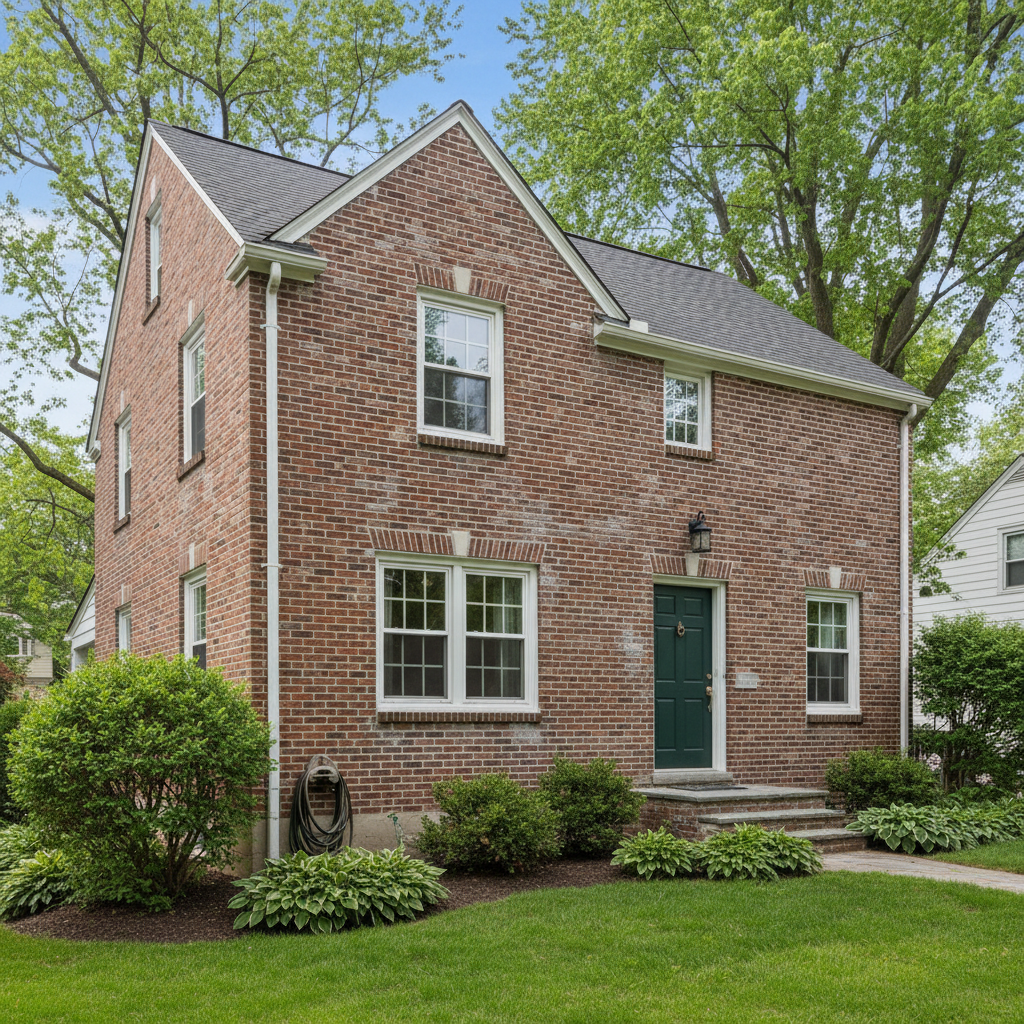
Looking for a masonry contractor in Newton? It can feel like a minefield out there, especially with all the horror stories you hear. You're not just hiring someone to lay bricks; you're trusting them with the structural integrity and curb appeal of your home. I've been doing this a long time, and I've seen it all. So, let's cut through the noise and talk about what you really need to know to hire the right crew.
What to Ask Before They Even Touch a Trowel
You wouldn't buy a car without asking questions, right? Same goes for your masonry project. Don't be shy. Here's what I'd want to know if I were in your shoes:
- Are you licensed and insured? This is non-negotiable. They need to be licensed by the state and carry general liability insurance. Ask for proof. If they hesitate, walk away. Period.
- How long have you been in business, and how much experience do you have with projects like mine? A new company isn't necessarily bad, but experience counts, especially with older Newton homes that often have unique foundation or brickwork challenges. You want someone who's tackled similar jobs before.
- Can you provide references? And don't just take their word for it. Call those references. Ask about communication, timeliness, cleanliness, and if they'd hire them again.
- Who will actually be doing the work? Your crew, or subcontractors? It's not always a deal-breaker if they use subs, but you should know. If it's subs, ask how they vet them and who supervises the work.
- What's your warranty on the work? A good contractor stands behind their work. Get it in writing.
- What's your typical timeline for a project like this? This gives you a realistic expectation and helps you plan.
Decoding the Quote: More Than Just a Number
You'll get a few quotes, that's smart. But don't just pick the cheapest one. That's a classic mistake. A good quote is detailed, not just a lump sum. Here's what Ace Masonry Co. includes, and what you should look for:
- Detailed Scope of Work: It should clearly describe exactly what they're doing. "Repair chimney" isn't enough. It should say, "Remove and replace top 8 courses of brick on chimney, install new bluestone cap, tuckpoint remaining sections with Type N mortar, and clean area upon completion." Specifics matter.
- Materials Breakdown: What kind of bricks? What type of mortar? Are they using rebar for that retaining wall? You need to know. Quality materials make a huge difference in longevity, especially with our harsh New England winters.
- Payment Schedule: How much upfront? When are subsequent payments due? A small deposit is fine, but never pay the full amount upfront. A common schedule might be 10-25% down, progress payments, and the final payment upon satisfactory completion.
- Permits: Who's responsible for pulling any necessary permits from the City of Newton Inspectional Services Department? Usually, it's the contractor, but make sure it's spelled out.
- Cleanup: What's their plan for keeping the site tidy and cleaning up after the job is done?
- Exclusions: What's NOT included? This is just as important as what is.
Red Flags: When to Pump the Brakes
Trust your gut. If something feels off, it probably is. Here are some glaring red flags:
- Cash-only deals: Huge red flag. This usually means they're trying to avoid taxes and probably aren't legitimate.
- High-pressure sales tactics: "This price is only good today!" or "I'm in the neighborhood, so I can give you a discount if you sign now!" Don't fall for it. A reputable contractor gives you time to think.
- No contract or a vague one: Everything needs to be in writing. If they just want to shake hands, run.
- Asking for a huge upfront payment: More than 25-30% for a deposit is often too much.
- No license or insurance: We already covered this, but it bears repeating.
- Unprofessional behavior: Poor communication, showing up late without notice, being rude. If they're like that during the quoting phase, imagine how they'll be during the actual work.
Verifying Legitimacy: Do Your Homework
You've got a few names, now it's time to check them out:
- Check their license: You can usually do this through the state's consumer affairs or professional licensing board website. Make sure it's active and for the right type of work.
- Verify insurance: Ask for a certificate of insurance directly from their insurance carrier, not just a copy from the contractor. This ensures it's current and valid.
- Look them up online: Check Google reviews, Yelp, and the Better Business Bureau. Don't just look at the star rating; read the comments. How do they respond to negative feedback?
- Ask for their physical address: A legitimate business has a physical location, even if it's just an office. Be wary of P.O. boxes or contractors who only work out of a truck.
- Visit a past job site (if possible): Sometimes a contractor can arrange for you to see a completed project, especially if it's exterior work. This lets you see their craftsmanship firsthand.
Hiring a masonry contractor doesn't have to be a headache. By asking the right questions, scrutinizing quotes, recognizing red flags, and doing a little homework, you'll find a pro who'll do the job right. Your home is a big investment; treat it that way.